
দায় এড়াতেই কি হিসেবে জল? দু’বছরের শ্রম সমীক্ষায় শিশু শ্রমিক মাত্র ৪৯ জন
Filed under Child Rights and Protection
Violence against Children
Defining “Violence”
The concept of violence reflected in the Convention on the Rights of the Child, especially in articles 19, 34 and 37, other human rights treaties and human instruments such as the 1993 Declaration on the Elimination of Violence against Women will also inform the study.
In accordance with article 19 of the Convention and the work of the Committee on the Rights of the Child, violence, for the purpose of the study, will include:
“all forms of physical or mental violence, injury and abuse, neglect or negligent treatment, maltreatment or exploitation, including sexual abuse”
The study will also be underpinned by the general definition of child abuse agreed by the experts participating in the WHO Consultation on Child Abuse Prevention in 1999:
“Child abuse or maltreatment constitutes all forms of physical and/or emotional ill-treatment, sexual abuse, neglect or negligent treatment or commercial or other exploitation, resulting in actual or potential harm to the child’s health, survival, development or dignity in the context of a relationship of responsibility, trust or power.”
The Settings
By ‘settings’ we are referring to subsections, or areas of study in which violence may occur.
1. Violence in the home and family
Includes infanticide, physical, psychological and sexual violence.
2. Violence in schools and education settings
This includes violent and humiliating discipline, physical, emotional, and sexual violence and harassment, and bullying in special schools (including military schools) and mainstream schools.
3. Violence in institutions
Includes violence in alternative care situations such as orphanages, foster and other care homes, NGO shelters, and institutions for disabled children and young people.
4. Violence in the community and on the streets
Including children in conflict with the law, gang violence and children and young people involved in organised crime, but not “war” situations. Also includes private security guards, death squads and vigilantes, as well as harmful traditional practices.
5. Violence in work situations
Includes children in domestic work, trafficking (for forced labour and sexual exploitation), commercial sexual exploitation, (includes sex tourism), and child labour in hazardous conditions.
Violence Categories
PHYSICAL AND PSYCHOLOGICAL VIOLENCE
- Abduction
- Bullying
- Death penalty
- Domestic violence
- Extra-judicial execution
- Gang violence
- Harmful traditional practices
- Honour killings
- Infanticide
- Judicial use of physical punishment
- Kidnapping
- Physical abuse
- Physical punishment
- Psychological abuse
- Psychological punishment
- State violence
- Torture and cruel, inhuman and degrading treatment
NEGLECT
- Abandonment
- Dangerous, harmful or hazardous work
- Deprivation
- State neglect
EXPLOITATION
- Pornography
- Sex tourism
- Sexual exploitation
- Slavery
- Trafficking
- Violence at work
Filed under Child Rights and Protection, Violence
পাঁচ বছর নীরব থেকে রাজ্যে শিশু কমিশন গড়ার তোড়জোড়
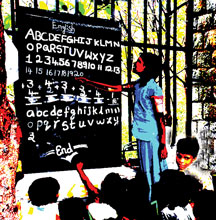
শিশু-নির্যাতন বন্ধ করার জন্য পাঁচ বছর আগে কমিশন গড়ার নির্দেশ দিয়েছিল সুপ্রিম কোর্ট। অনেক রাজ্য ওই নির্দেশ মানলেও পশ্চিমবঙ্গ সেই ফাইল ধামাচাপা দিয়েই রেখেছিল। সম্প্রতি লা মার্টিনিয়ারের ছাত্র রৌভনজিৎ রাওলার অস্বাভাবিক মৃত্যু, কেন্দ্রীয় পর্যবেক্ষকের বাংলা সফর ইত্যাদির পরে ধুলো ঝেড়ে সেই ফাইল নিয়ে নাড়াচাড়া শুরু করেছে রাজ্যের সমাজকল্যাণ দফতর। ওই দফতরের কর্তাদের বক্তব্য, নির্দেশ মেনে এ বার কমিশন গড়া হচ্ছে।
শুধু স্কুলে নয়, বিভিন্ন ক্ষেত্রে শিশুদের উপরে নির্যাতন বন্ধ করতে কেন্দ্র ‘কমিশনস ফর প্রোটেকশন অফ চাইল্ড রাইটস অ্যাক্ট ২০০৫’ পাশ করে। ওই আইন মোতাবেক প্রতিটি রাজ্যকে কমিশন গড়তে বলা হয়েছিল। সমাজকল্যাণ দফতর সূত্রের খবর, দিল্লি, কর্নাটক, মধ্যপ্রদেশ, রাজস্থান, অন্ধ্রপ্রদেশ-সহ বেশ কিছু রাজ্য ইতিমধ্যেই।
কমিশনকে সক্রিয় করতে কোনও কোনও রাজ্যে কর্মরত বিচারপতিকে, কোথাও বা অবসরপ্রাপ্ত বিচারপতিকে চেয়ারম্যান করা হয়েছে। চালু করা হয়েছে পূর্ণ সময়ের শিশু কমিশনের অফিসও।
কেন্দ্রের ধাঁচেই রাজ্য সরকার ‘ওয়েস্টবেঙ্গল কমিশন ফর প্রোটেকশন অফ চাইল্ড রাইটস ২০১০’ নামে একটি আইন তৈরি করেছে। ঠিক হয়েছে, চেয়ারম্যান ছাড়াও কমিশনে ছ’জন সদস্য থাকবেন। সদস্য-সচিব হবেন রাজ্য সরকারের সচিব পর্যায়ের কোনও অফিসার। থাকবে একটি পুরোদস্তুর অফিস। সমাজের বিভিন্ন ক্ষেত্রে শিশুদের অধিকার রক্ষায় উল্লেখযোগ্য কাজ করছেন, এমন ব্যক্তিদেরও কমিশনে রাখা হবে।
কমিশনের চেয়ারম্যান এবং সদস্যদের নাম চূড়ান্ত করতে বিভাগীয় মন্ত্রীকে চেয়ারম্যান করে তিন সদস্যের একটি কমিটি গড়া হচ্ছে। রাজ্যের সমাজকল্যাণ দফতরের সচিব রিনচেন টেম্পো বলেন, “আইন ও বিচার দফতর কয়েক দিন আগে রাজ্য শিশু কমিশন গড়ার প্রস্তাবে অনুমোদন দিয়েছে।” কমিশন চালাতে বছরে দেড় কোটি টাকা খরচ ধরা হয়েছে বলে জানিয়েছেন টেম্পো।
কমিশনের বিচার্য কী হবে?
সমাজকল্যাণ দফতরের কর্তারা জানান:
- শিশুদের অধিকার নিয়ে কেন্দ্র ও রাজ্যের যে-সব আইন আছে, সেগুলি খতিয়ে দেখে সেই অনুযায়ী ব্যবস্থা নেবে কমিশন।
- শিশুদের উপরে নির্যাতনের অভিযোগ এলে তার তদন্ত করে ব্যবস্থাগ্রহণের সুপারিশও করবে তারা।
- শিশুদের অধিকার রক্ষার জন্য এবং তাদের প্রতি বঞ্চনার মোকাবিলায় নতুন কোনও আইন করা যায় কি না, তা খতিয়ে দেখে কমিশনই প্রয়োজনীয় সুপারিশ করবে।
- শিশু নির্যাতন রোধ আইন পাঠ্যসূচির মধ্যে আনা এবং এ ব্যাপারে শিক্ষকদের প্রশিক্ষণ-সহ ন’টি বিষয় নিয়ে কাজ করবে কমিশন।
রাজ্যের সমাজকল্যাণ মন্ত্রী বিশ্বনাথ চৌধুরী বলেন, “এই কমিশন যাতে চলতি বছরেই কাজ শুরু করতে পারে, সেই জন্য দ্রুত ব্যবস্থা নেওয়া হচ্ছে।” এই কমিশন চালু করার বিষয়ে এ মাসেই অর্থমন্ত্রী অসীম দাশগুপ্তের সঙ্গে তিনি বৈঠকে বসবেন বলেও জানান বিশ্বনাথবাবু।
Filed under Child Rights and Protection
Shishu Prakash: a news agency with child journalists
Shishu Prokash, a news agency with child journalists, launched its website www.shishuprokash.com last week during the1st Child Journalist Convention in Bangladesh.
The convention was organised by Mass-Line Media Center (MMC) and UNICEF. MMC has trained more than 1,000 child journalists, under its Children’s Express Project. These child journalists have published about 1,024 reports since the inception of Shishu Prokash. The subjects of the reports include many child rights issues; one even about a village in Bangladesh where there is not a single school. Many of these reports have been published in local, regional and national papers, reports asiamedia.ucla.edu.
Filed under Child Development, Information


